
Travel Tips
Determine the potential risk of a country by researching its travel advisory level and Global Peace Index ranking. Thoroughly research your destination and invest in emergency travel assistance for extra protection.

Christine Raimer, Digital Commerce Leader
·Published on October 30th, 2025
With death-related travel incidents rising 60% from 2023 to 2024, it’s more important than ever to have a good plan in place before your next adventure abroad.
Investing in a travel assistance membership plan like Emergency Assistance Plus® (EA+®) can help with surprises in eligible countries*, including emergency medical evacuation, transportation, and support for your travel companions.
*Eligible countries are where EA+ services operate. Some locations, like those under U.S. Level 4 “Do Not Travel” advisories or subject to U.S. sanctions, may be excluded from transportation by EA+.
In addition to protecting your trip, it’s important to weigh the risks and understand the unique characteristics of the areas you plan to visit. A basic understanding of ongoing conflicts and potential disasters can help prepare you for any scenario if you need to travel to less stable environments.
Keep reading to learn more about the most dangerous countries in the world right now.
These are the top 10 most dangerous countries to visit based on their associated risks, which include criminal activity such as terrorism, robbery, violence, and civil unrest. They are all Level 4 travel advisory countries, a government-issued warning that indicates a high risk of crime for visitors.
Travelers should also note the Global Peace Index, an annual report that ranks 163 countries, with 1 being the safest and 163 being the most dangerous. The rankings are determined by 21 unique criteria that address economic, military, and social factors influencing the peacefulness of a nation.
| Rank | Country | Global Peace Index (ranks 163 countries with 1 being safest) | Travel advisory level | Key risks |
| 1 | Afghanistan | 158 | Level 4: Do Not Travel | Armed crime, terrorism, natural disasters, government instability |
| 2 | Yemen | 159 | Level 4: Do Not Travel | Civil conflict, maritime crime, landmines, terrorism |
| 3 | Syria | 157 | Level 4: Do Not Travel | Continuous conflict, kidnappings, live bombs and explosives |
| 4 | South Sudan | 156 | Level 4: Do Not Travel | Tribal conflict, institutional instability, violent crime |
| 5 | Sudan | 161 | Level 4: Do Not Travel | Civil armed conflict, lawlessness |
| 6 | Somalia | 151 | Level 4: Do Not Travel | Piracy, terrorism, kidnappings |
| 7 | Central African Republic | 150 | Level 4: Do Not Travel | Government instability, kidnappings, road attacks, raids |
| 8 | Iraq | 147 | Level 4: Do Not Travel | Terrorism, civil unrest, rebellion |
| 9 | Libya | 131 | Level 4: Do Not Travel | Armed conflict, terrorism, kidnappings, political instability |
| 10 | Venezuela | 139 | Level 4: Do Not Travel | Rise in deaths from internal conflict, political instability |
Afghanistan is a mountainous, landlocked country in Asia that exhibits government instability due to the Taliban’s takeover in 2021, a destabilizing result of the fall of the Afghan Islamic Republic and the collapse of the country’s National Security Forces. This political tension has made the region one of the most dangerous countries in the world.
Natural disasters have affected the nation as well, with floods and earthquakes ravaging the landscape between 2022 and 2024. Road travel poses violent threats such as terrorism and armed crime, especially in remote areas. Additionally, political repression toward women (known as gender persecution) may further escalate tension for travelers.
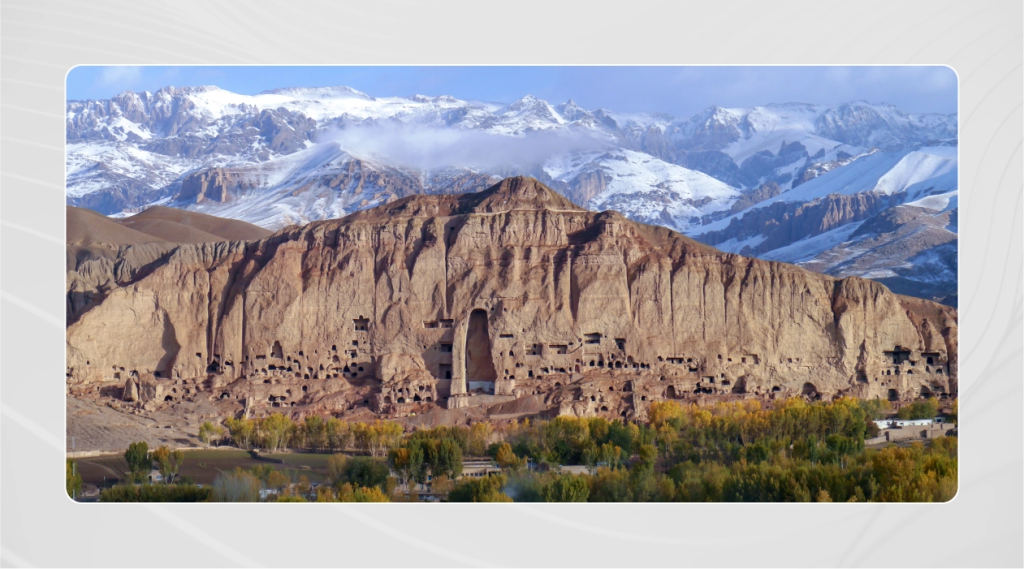
Travelers in Afghanistan should be mindful of infrastructure issues, such as consistent internet blackouts. There’s also a lack of support, given that the U.S. embassy suspended its operations in 2021. The U.K. offers limited support to travelers.
Avoid crowded regions in the capital of Kabul, which has an increased frequency of kidnappings and theft. Make sure to stay on paved sidewalks and roads to avoid stray bombs, which are common in Kabul, Herat, and Helmand.
Bring any prescription medications with you and prepare an emergency medical evacuation plan, since local healthcare can be challenging to access.
Yemen is located in the southern region of the Arabian Peninsula, bordered by the Gulf of Aden and the Red Sea. This leaves the country vulnerable to maritime attacks, with Houthi forces regularly attacking commercial ships.
The region regularly experiences drone attacks, and conflict on the streets is common since the country entered a civil war in 2014, when the capital, Sanaa, was seized by Houthi rebels.
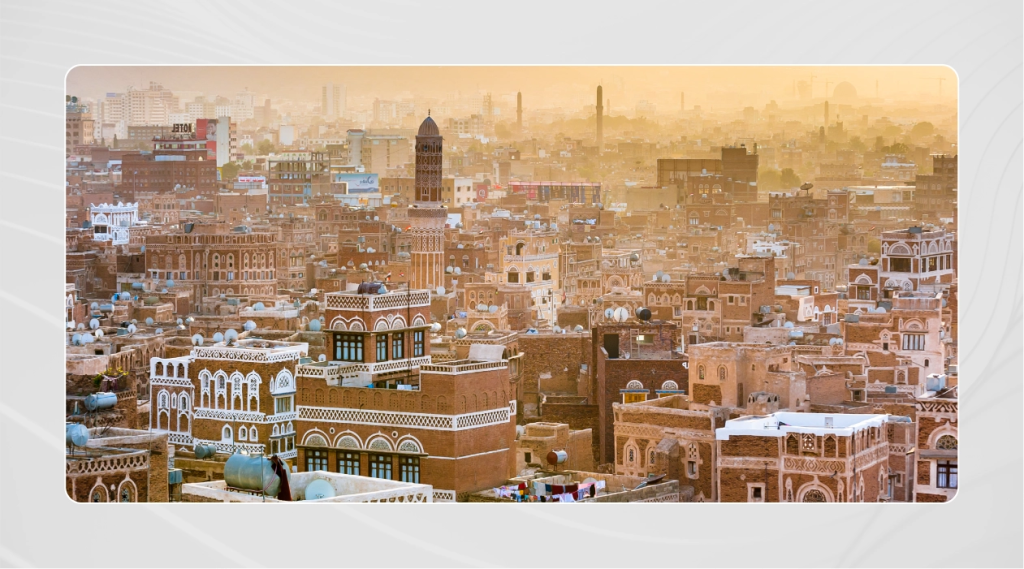
A trip to Yemen comes with little to no in-country support from the local government. Local flights are infrequent and often suspended due to airport attacks, so be sure to have a backup itinerary in case of an interruption. Monitor travel safety trends to prepare in case you need to plan for alternative flights.
Avoid coastal violence by staying away from the shores of Bad el-Mandeb and the Red Sea, and stay up-to-date on any visa requirements in case policies change before your arrival in Yemen.
Syria is located in the Middle East, bordered by Iraq, Jordan, and Israel. Over 10 years of warfare has left the country governmentally divided, with different groups holding power over regions of the state. With loyalties quickly shifting throughout Syria, travelers may experience checkpoints and changing rules, and may witness bombings or air strikes during their stay.
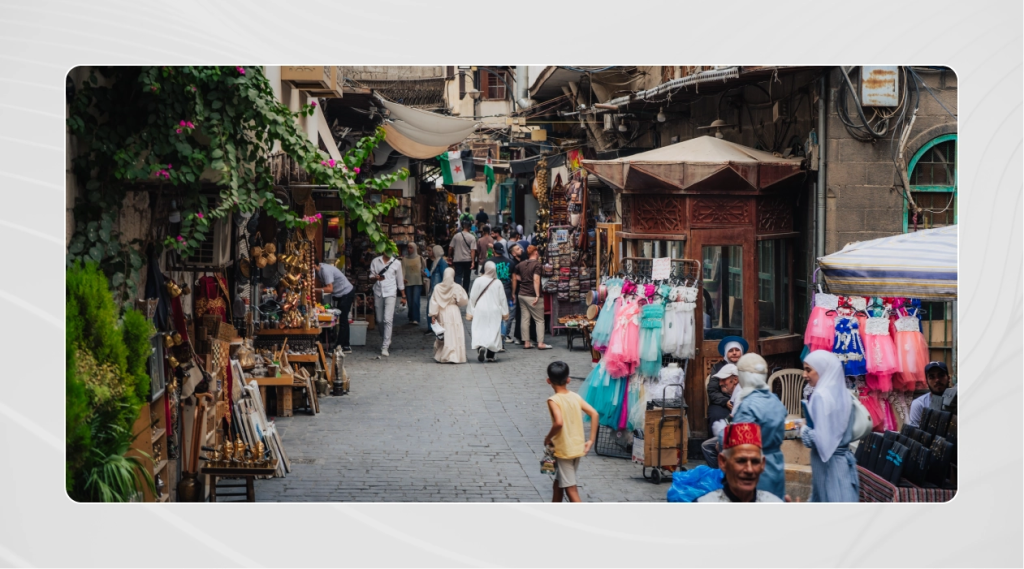
Prepare for potential flight cancellations via airports in Aleppo and Damascus, as they regularly shut down in the case of military strikes. Stay away from Idlib and the countryside of Aleppo, where bombings and street fights are common.
There is a significant ISIS presence in Deir ez-Zor, where travelers may encounter gun violence. Smuggling and militia routes are found along the Qalamoun Mountains.
South Sudan is an African country located in the Central-East region of the continent. While South Sudan won independence in 2011, the region slipped into a civil war a few years later. A peace deal was achieved in 2018, which reduced conflict, but there’s still significant violence in many areas.
National election delays further agitate government instability and reduce resources for travelers, such as emergency services and access to safe transportation.

South Sudan offers very limited medical care, so in addition to investing in solid travel insurance or other proactive protection before your trip. This can help keep you safe in the event a local consulate can’t help or there isn’t an adequate medical facility in an emergency.
Make sure to obtain your visa before arriving, as they aren’t issued directly at the airport, and you will likely be denied upon landing. Certain travelers are also required to get a special travel permit that allows travel outside of Juba, the capital city. Road ambushes and bandit attacks are common in Jonglei, the Upper Nile, and Unity State.
Sudan is located in Northeast Africa and touches South Sudan, Egypt, and Chad. It also borders the Red Sea—there are regular drone strikes and missile attacks on commercial ships and ports, which cause coastal lockdowns. A civil war between two military groups began in 2024, ravaging cities and resulting in looting, civilian violence, and numerous air strikes that leave visitors vulnerable.

It’s challenging to source basic goods like water, medicine, and fuel in Sudan. Internet and power blackouts are common, so expect to be self-sufficient while visiting the country.
Khartoum International Airport suspended commercial flights in 2023 due to targeted attacks and significant damage. Port Sudan International Airport now serves as the country’s main entrance, but it also faces security risks and closures. Avoid areas like Gezira, Kordofan, and Darfur, as military groups often target civilians.
Somalia is a coastal African country that extends into the Gulf of Aden and the Indian Ocean. It borders Kenya, Djibouti, and Ethiopia. Civil conflict has been a concern for over 30 years due to a weak central government.
Terrorist attacks from al-Shabaab are linked to al-Qaeda, and visitors may witness their violence in hotels, markets, and government buildings, especially in the capital city, Mogadishu. Car bombings, kidnapping, and armed robbery are common occurrences countrywide.
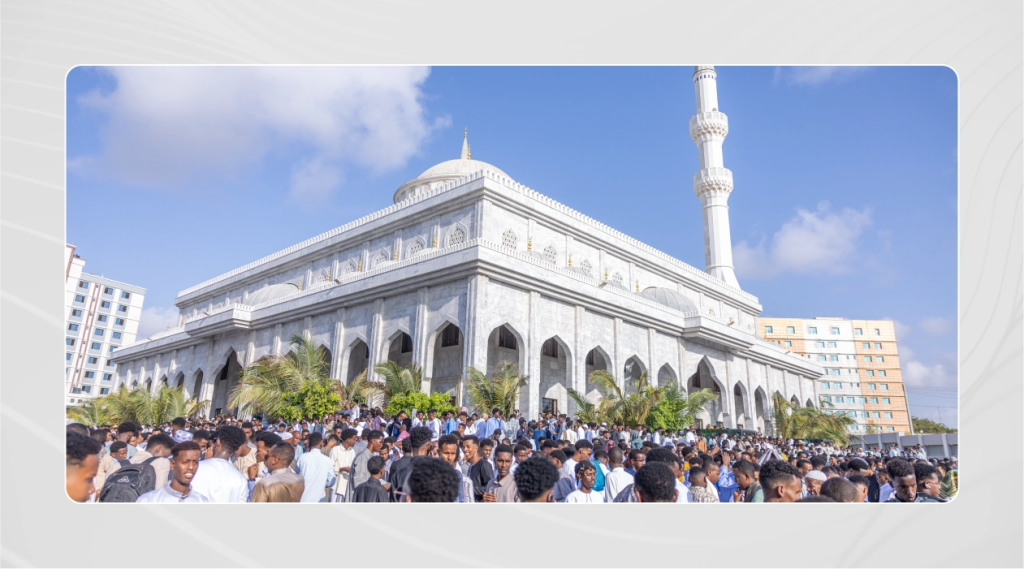
Expect flight inconsistencies and shutdowns at Mogadishu’s Aden Adde International Airport in response to attacks. Avoid the central and southern parts of the country, which are currently occupied by al-Shabaab and are prone to ambushes. The country’s exposure to the coast also makes it susceptible to piracy, so if you’re traveling by water, arrange well-vetted transportation.
In Somalia, hospitals are often inoperable or have damaged infrastructure. With an inaccessible healthcare system.
The Central African Republic sits in the center of Africa. With few paved roads and forested routes, travel is isolated, posing a risk for travelers. Looting, roadblocks, and surprise attacks are common along these paths, especially near the capital of Bangui.
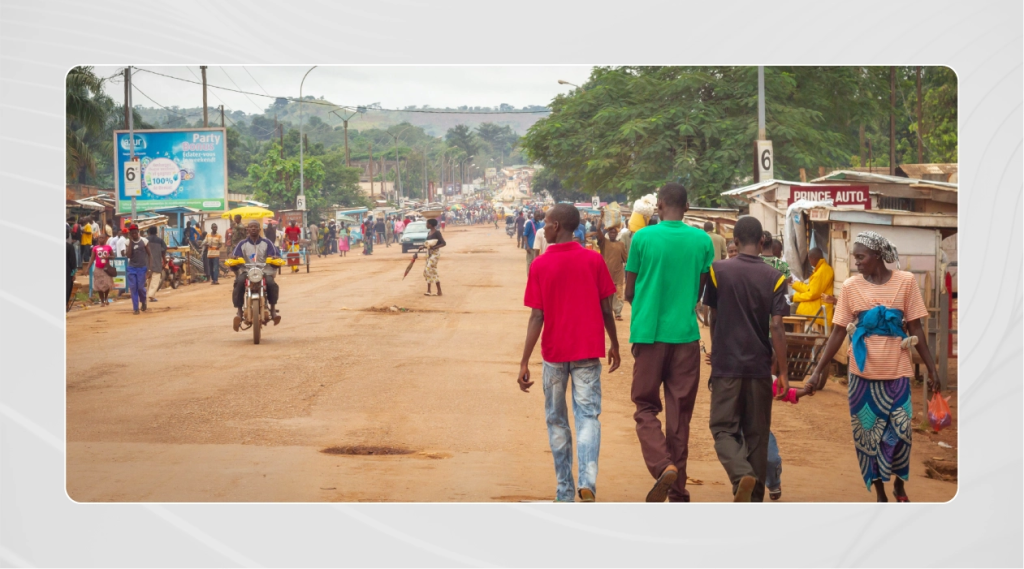
You will need proof of a yellow fever vaccination and a visa upon your arrival in the Central African Republic, so make sure to source those beforehand to avoid denial.
Visitors fly into the Bangui M’Poko International Airport, which offers limited flights that are sometimes cancelled due to security issues. It’s best to avoid driving at night and on intercity roads, where kidnappings and armed ambushes usually occur.
Iraq is located in the Middle East, shaped by conflict over several decades. While the government has regained control over ISIS, it’s still under-resourced, especially for visitors. Military groups and extremists bring violence into the community, and there are occasional missile strikes from foreign and local forces.
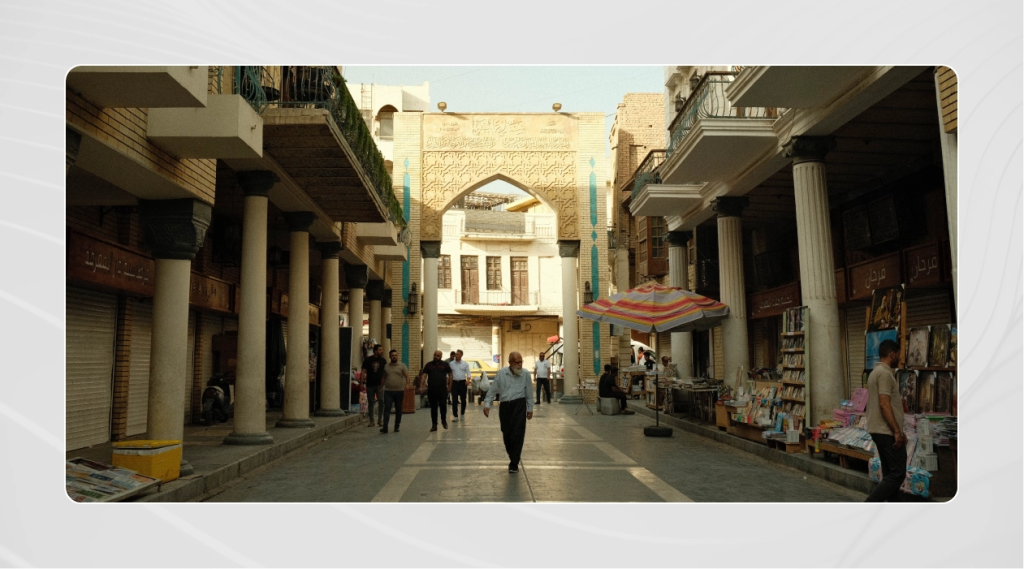
Visitors should avoid areas where ISIS groups gather, including Nineveh, Anbar, Diyala, and Kirkuk. It’s also best to avoid border zones along Turkey, Iran, and Syria, which are vulnerable to military strikes.
Visitors should apply for an Iraq e-Visa before arriving, though limited visas may be available upon arrival. Airports are more stable relative to some of the other most dangerous countries in the world to visit, but they may occasionally shut down after a drone attack.
Libya is located in North Africa along the Mediterranean Sea, and has a splintered political system between its western and eastern regions. The west is run by UN-recognized officials, while the eastern side is dominated by the Libyan National Army.
Travelers may encounter violent civil clashes and armed checkpoints, and need to stay vigilant due to regular kidnappings. Landmines and unexploded devices are found across the country, posing a risk for those who wander beyond main cities and roads.
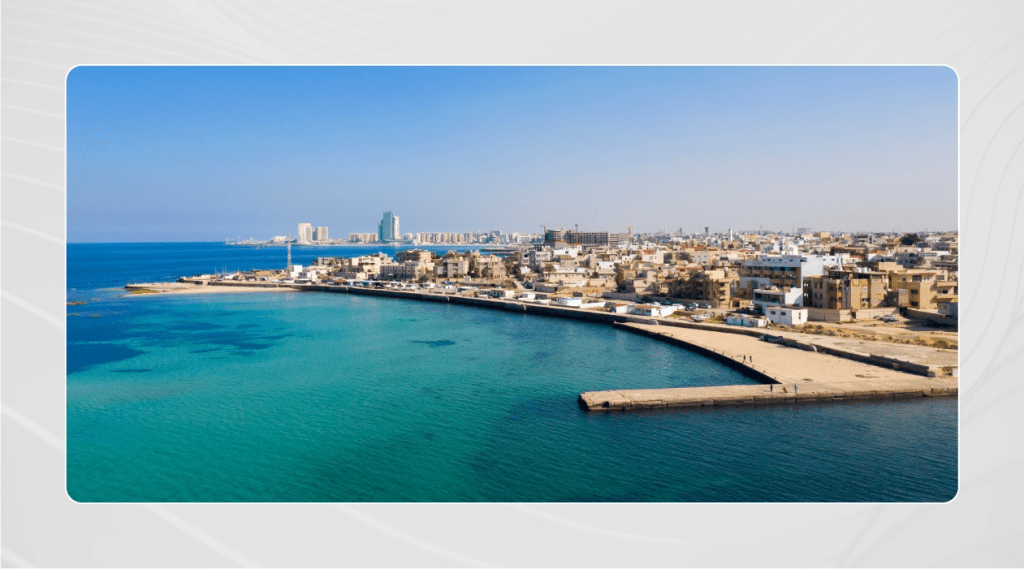
Visitors can fly into Benghazi Benina or Tripoli Mitiga International Airports, while staying flexible with travel plans in case of a missile strike, resulting in a shutdown. Travelers may need a sponsor and letter of invitation to enter, as well as a visa.
Stay on paved roads to avoid landmines and avoid conflict corridors where abductions are common in Benghazi, Sirte, Tripoli, and Sabha.
Venezuela is situated on the coast of South America and has endured years of economic struggle and political crisis. Instability has driven the frequency of carjackings, kidnappings, and robberies across the country.
Limited financial resources mean frequent power blackouts, limited medical care, and a shortage of essential resources. In 2019, the U.S. Embassy in Caracas suspended service, so Americans won’t have robust support in an emergency.

Make sure to get your visa before traveling to Venezuela, as they’re unavailable onsite. Entering the country without one may result in detention. Commercial flights are currently suspended between Venezuela and the U.S., so some travelers may need to enter via another country.
Steer clear of the Colombia border zone as well as the Brazil border, where kidnapping and armed groups are present. Travel during the day to avoid robberies, especially near the airport and in urban areas.
Knowing which countries are on high alert for travel is the first part of a safe journey. Step two involves digging into the unique factors that indicate a country’s level of risk.
The U.S. State Department has a set of risk indicators to consider when evaluating a country’s safety:
Travelers can search the International Travel Advisory map to assess each factor for a given country. Be aware that the presence of any number of these factors can make it challenging to get support during a travel emergency.
If you plan to travel to one of the top 10 most dangerous countries in the world, take these steps to prepare yourself for high-risk conditions:
Take extra precautions if you’re a senior traveler, are unfamiliar with the region, or must travel during a conflict, outbreak, or natural disaster. Make sure to give your contact information and a copy of your travel itinerary to someone you trust in case of an emergency.
Learn moreWhen traveling to the most dangerous countries in the world, mindset is everything. Having an informed yet cautious view helps you travel smarter and prepare for unforeseen emergencies.
Protect yourself during high-risk travel to eligible countries with Emergency Assistance Plus, a membership plan that picks up where travel insurance stops, with emergency transportation, medical evacuation, and travel concierge services.
Choose from an Essential or Premier plan, depending on your specific travel style and needs. You can also enroll in an individual or family plan, giving you peace of mind that everyone in your party is protected in an emergency.
Enroll nowWhile safety conditions can change over time, countries like South Sudan, Syria, Afghanistan, and Yemen are often cited as the most dangerous.
Any countries labeled as a Level 3 or 4 are considered moderately to extremely unsafe, as determined by the U.S. Department of State. Level 3 warnings urge travelers to reconsider travel, while Level 4 warnings have an explicit “do not travel” advisory. All 10 countries on our list have Level 4 warnings.
Countries like Iceland, Ireland, and New Zealand consistently rank as the safest, most peaceful countries. They have stable governments, strong economies, and lower crime rates.
A travel advisory is an official notice and warning from the government that analyzes and determines the risk level of a given country. Crime, disease, civil unrest, and terrorism are all taken into account when creating or updating an advisory.
According to the U.S. Department of State, Level 4 travel advisory countries in 2025 include Venezuela, the Central African Republic, Iraq, Libya, Somalia, Sudan, South Sudan, Syria, Yemen, and Afghanistan, among others.
Christine leads the digital and online experiences for Emergency Assistance Plus (EA+) and strives to delight visitors with engaging content and intuitive design. Christine is an avid backpacker, having recently completed the Colorado Trail and can often be found road tripping around the U.S. in her camper van, exploring beautiful destinations. A longtime EA+ member herself, Christine feels confident when traveling to new locations, because she knows that she’ll be protected if a medical emergency occurred while away from home.


Travel Tips · January 30, 2026

Travel Tips · January 7, 2026

Travel Tips · January 6, 2026

Travel Tips · January 5, 2026

Travel Tips · November 28, 2025

Travel Tips · November 26, 2025
